

September 5 – 12, 2027
Battlefield
Bike Ride ‘27
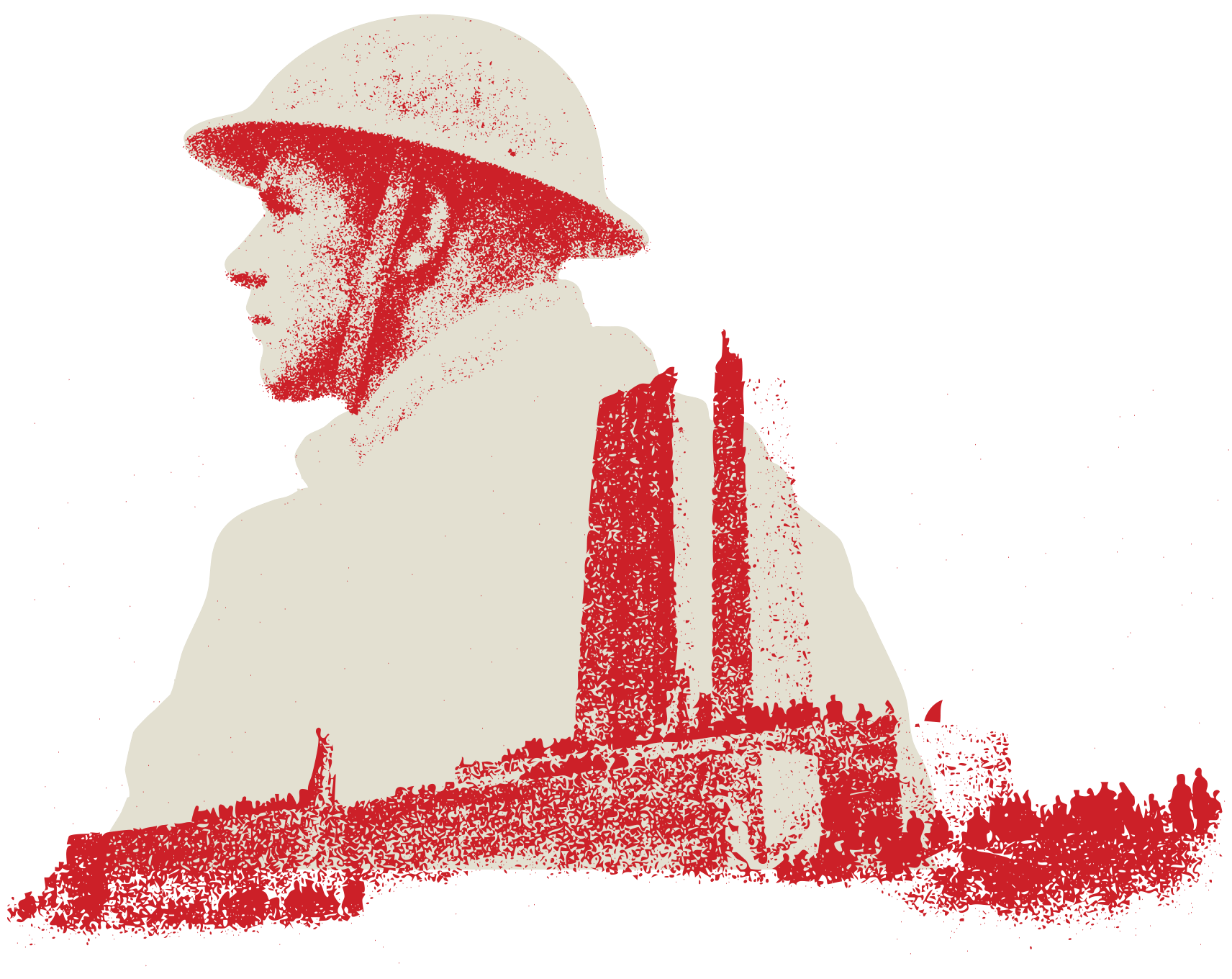
“It was Canada from the Atlantic to the Pacific on parade. I thought then … that in those few minutes, I witnessed the birth of a nation.”
Brigadier-General Alexander Ross
Vimy 110
Ross was describing April 1917, just 50 years after Confederation, when Canada stepped onto the world stage. Doing what others had failed to do, the Canadian Corps moved from victory to victory and became the Allies’ go-to.
That heritage matters in an ever-shifting world. These are uncertain and trying times for our country, and the courage, unity and resolve of 1917 still have much to teach us. By looking to the past, we can move into the future boldly, confidently and together.
Join us as we trace the footsteps of those who put their lives on the line, and those who paid the ultimate sacrifice. They served in the firm belief that Canada matters.
- Amiens, France to Ypres, Belgium
- September 5 - 12, 2027
- Fundraising Min. $5,000
- Distance: 300 KM +
- Gala Dinner
- Includes Stay, Breakfast & Lunch
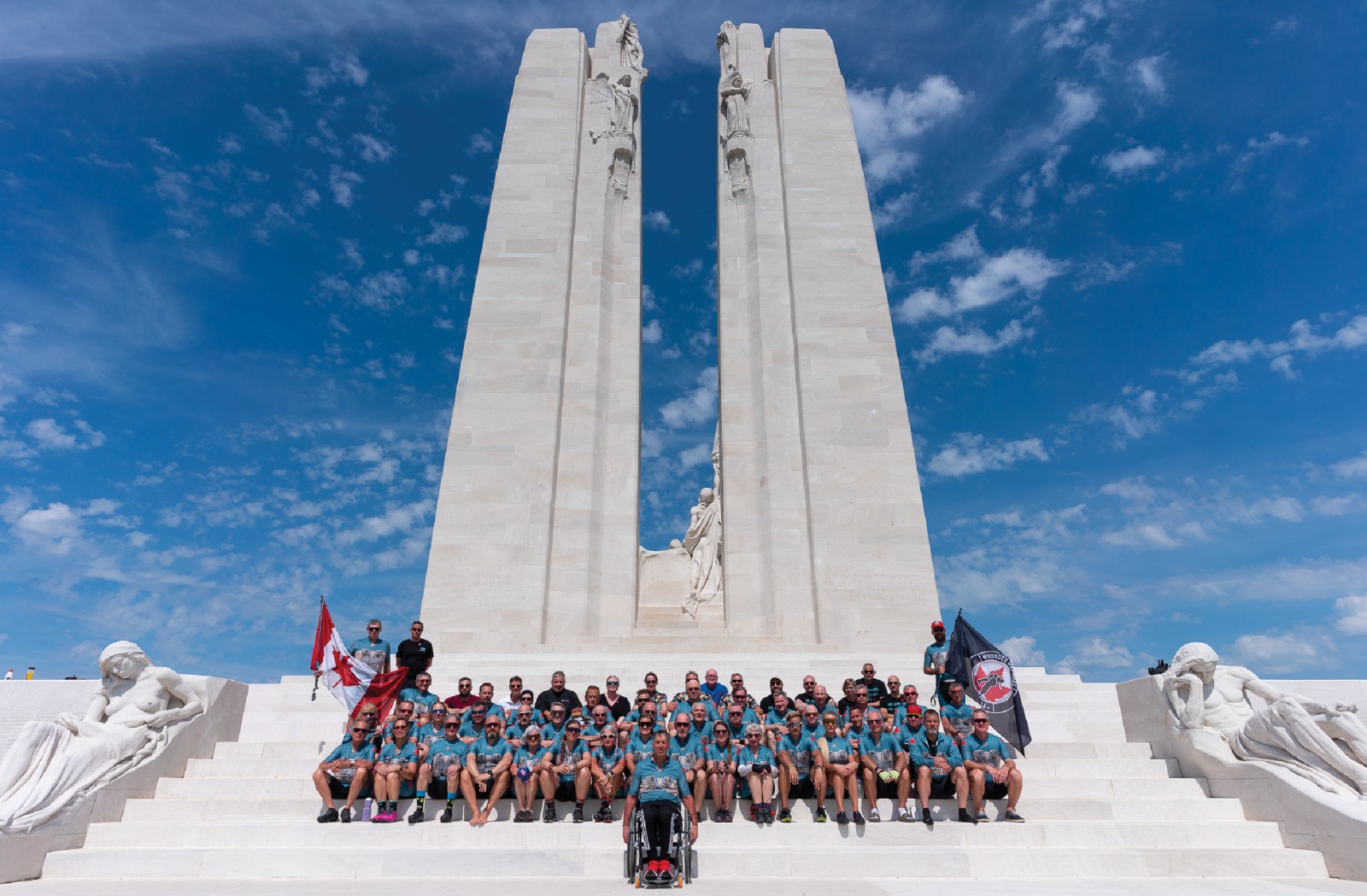
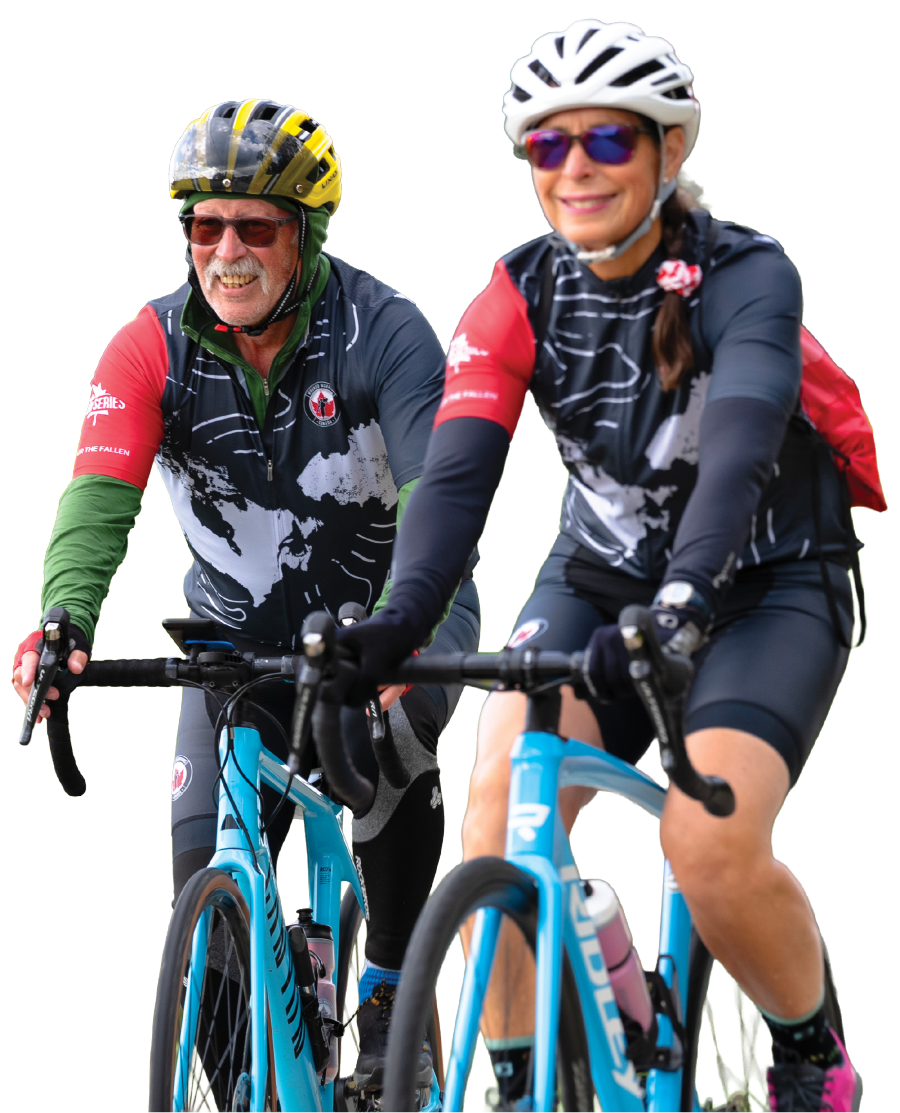
Six days. 357 km.
Every kilometre ridden for someone.
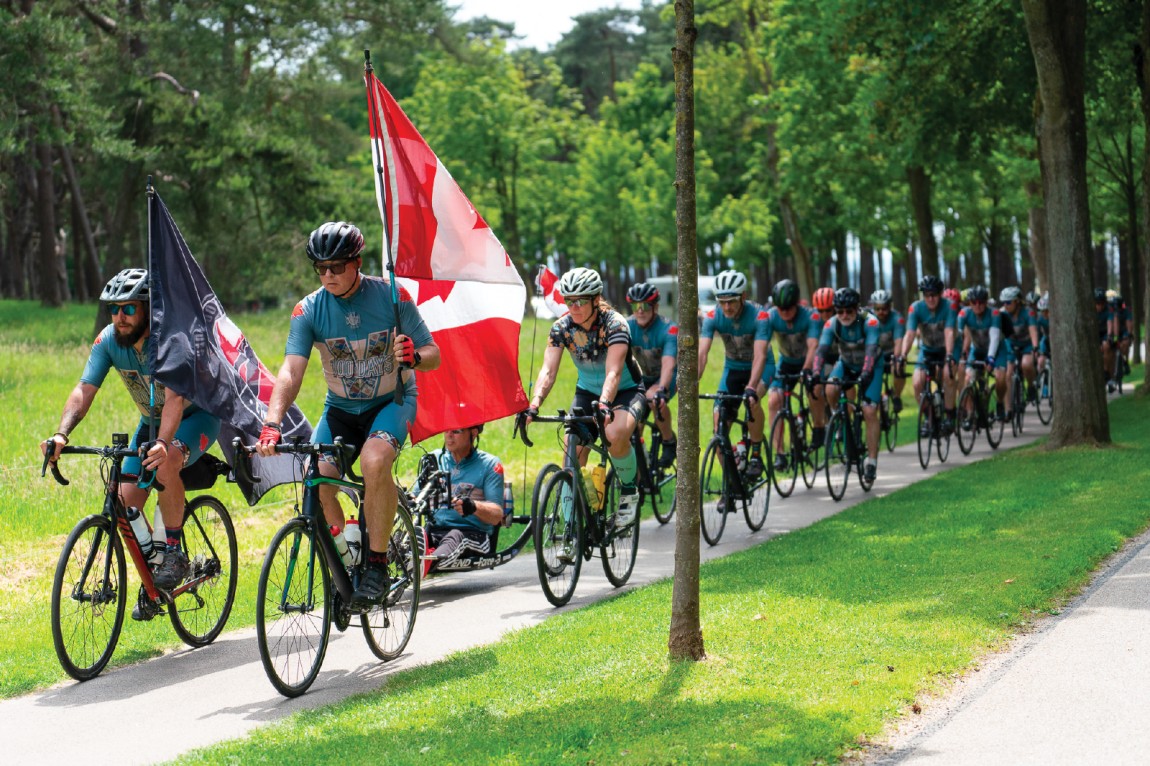
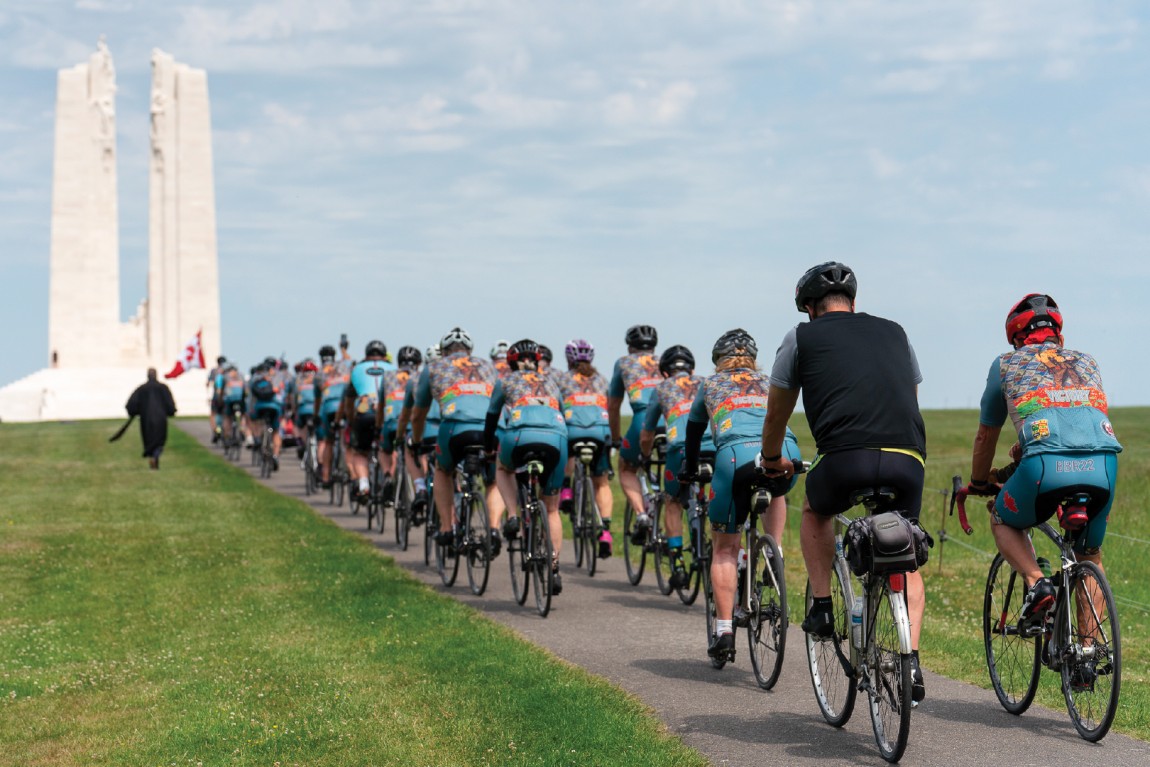
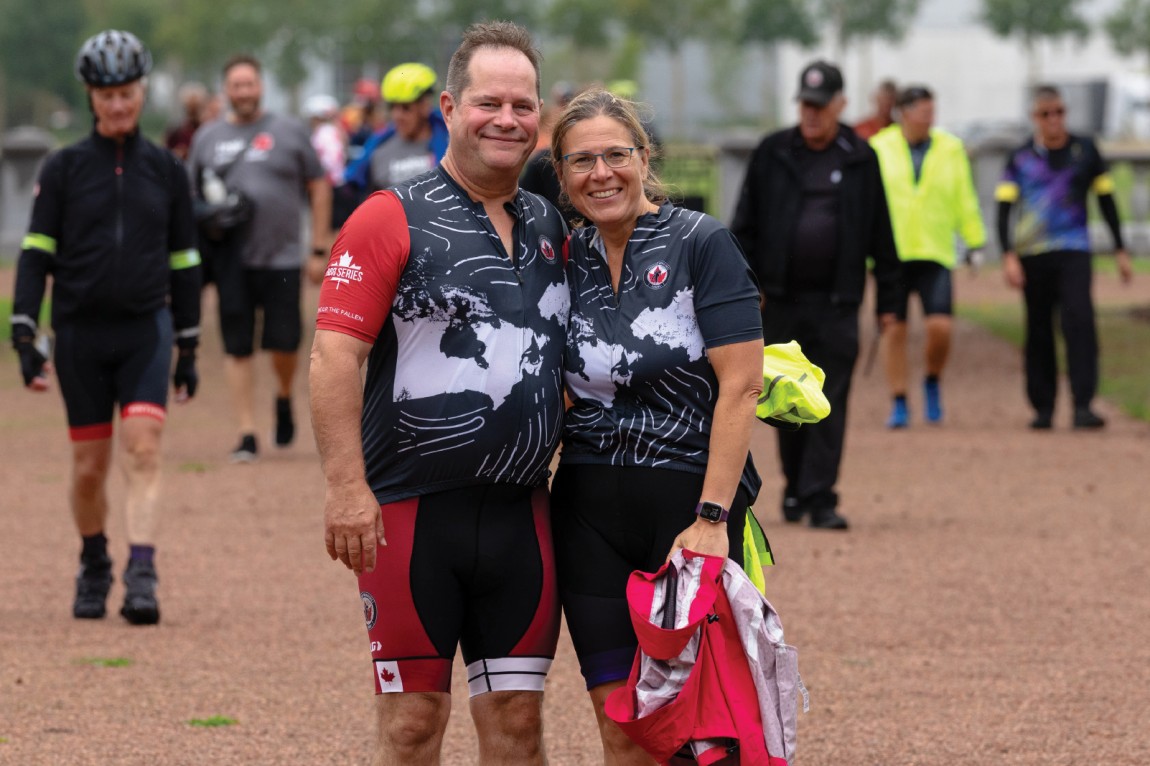
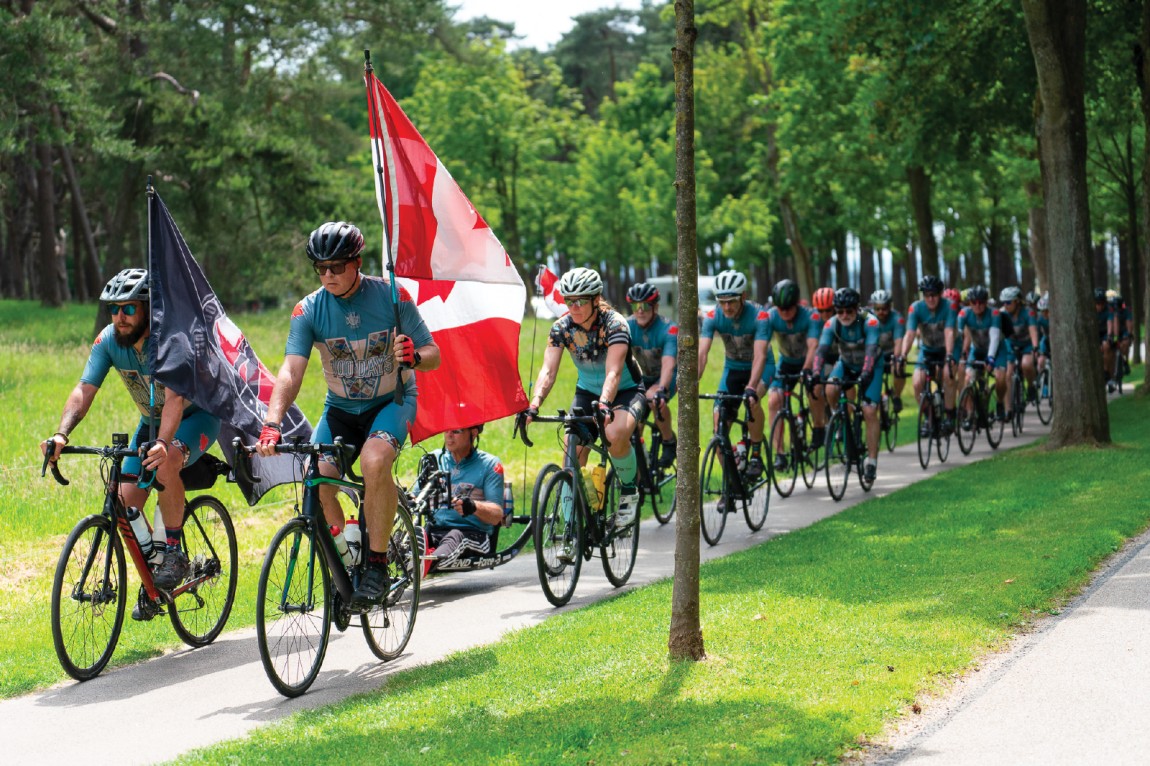
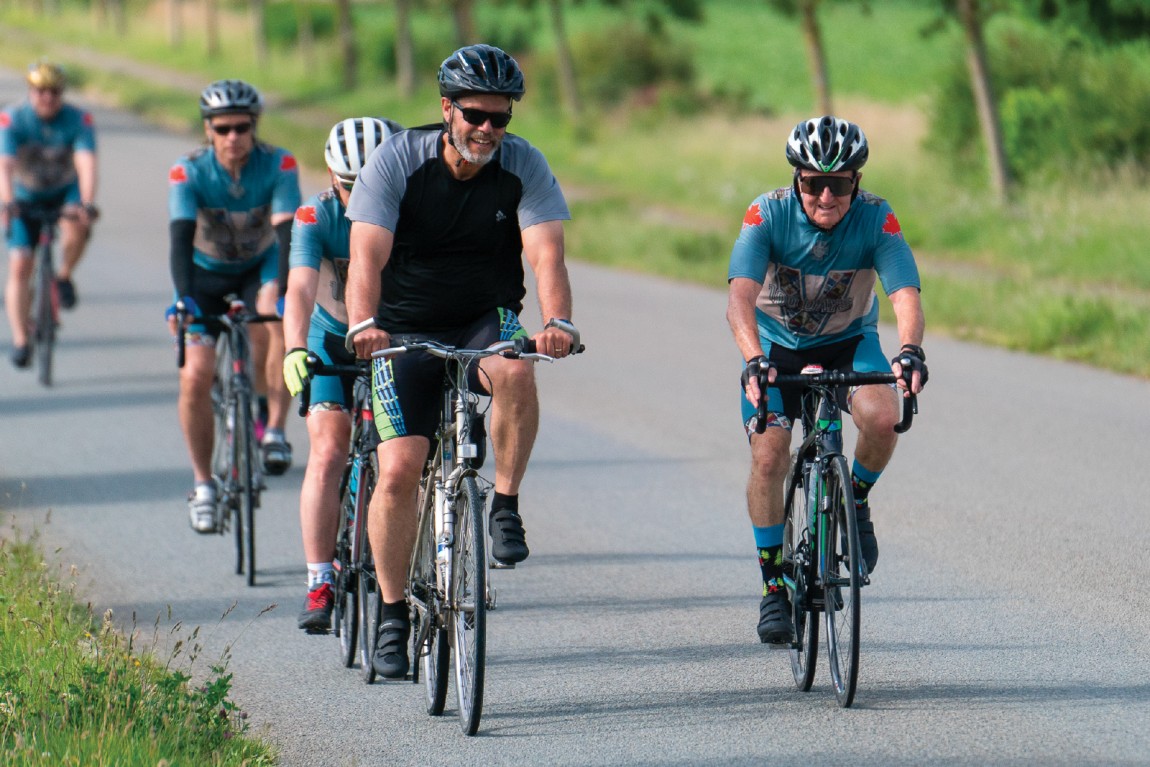
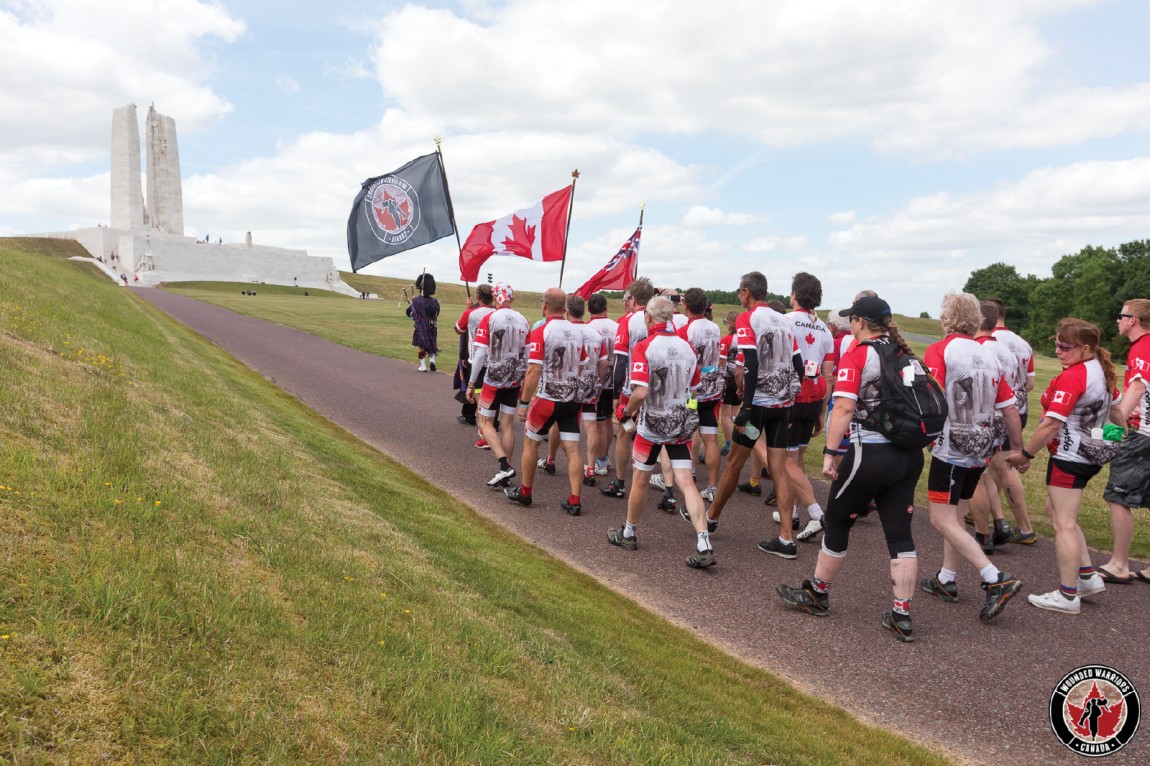
In 2027, 110 years after Vimy Ridge, we ride from Amiens to Ypres across the ground where Canadians fought, served and are remembered. BBR27: Vimy 110 brings together Veterans, First Responders, their families and the people who stand beside them for six days on the bike through northern France and Belgium.
Every kilometre raises funds for Wounded Warriors Canada’s mental health programs for Veterans, First Responders and their families.
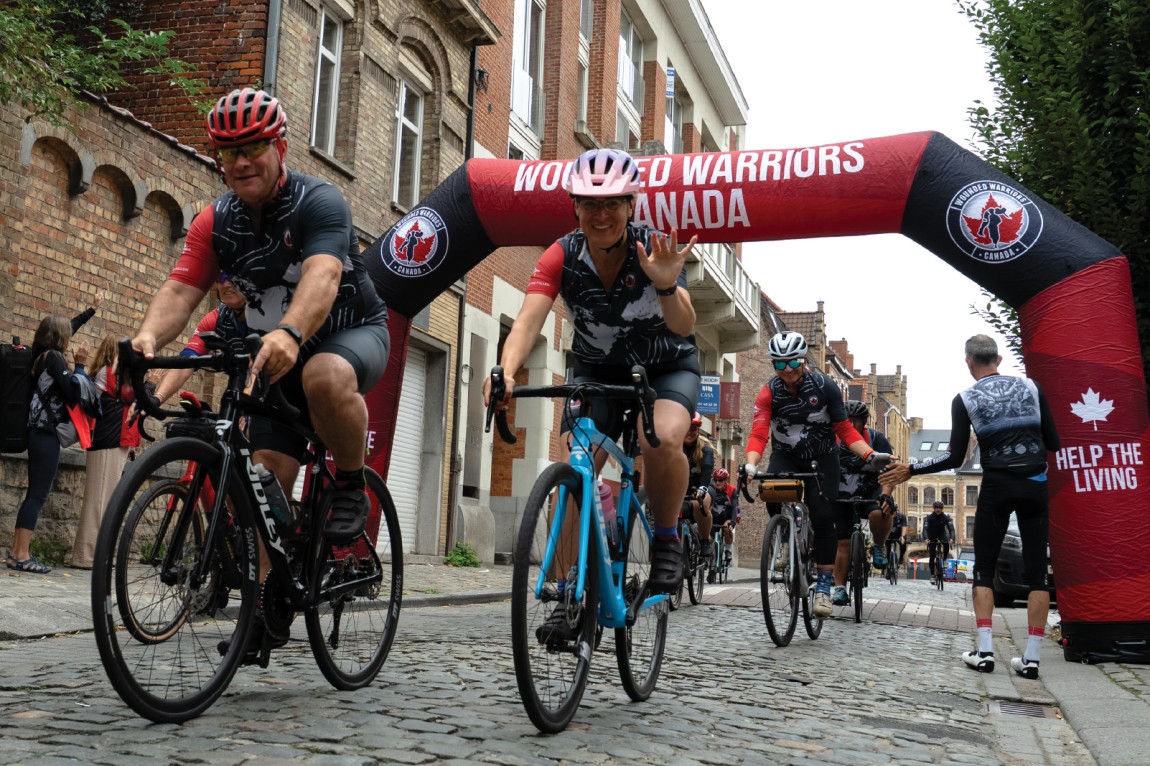
You don’t need
to be a racer.
You need a reason.
The route was planned with first-time distance cyclists in mind. It’s mostly flat, the pace is relaxed and the days average about 60 km. We ride every kilometre ourselves, with no coach transfers.
You won’t ride alone. Marshalled groups, a sweep vehicle and a full support team carry your bags and spares, so all you have to do is ride. Most days you’ll be back at the hotel by mid-afternoon, with time to rest, explore, or share a cold drink on a terrace with people who understand why you came.
The Route
Day 1: Breakthrough, 1918
Amiens to Arras
On 8 August 1918, the Canadian Corps led the advance out of Amiens that started the Hundred Days to Victory. The day became known as the “black day of the German Army.” We follow their line 13 kms east to the Canadian memorial at Le Quesnel, that stands at the point of deepest Allied penetration on the first day of the offensive. Then ride on to Arras, our base for the heart of the week.
Day 2: Canada on the Somme, 1916
Arras and the Somme
Today we cover the ground the Canadians fought for in the autumn of 1916. We stop at Adanac Cemetery, then head to the Canadian Memorial at Courcelette, followed by the Tank Memorial at Pozières, where the Corps captured the village on the day tanks were first introduced to the battlefield. A unique site today is the WW1 Animal Memorial, across from the Tank Memorial.
Day 3: Vimy 110
Vimy Ridge
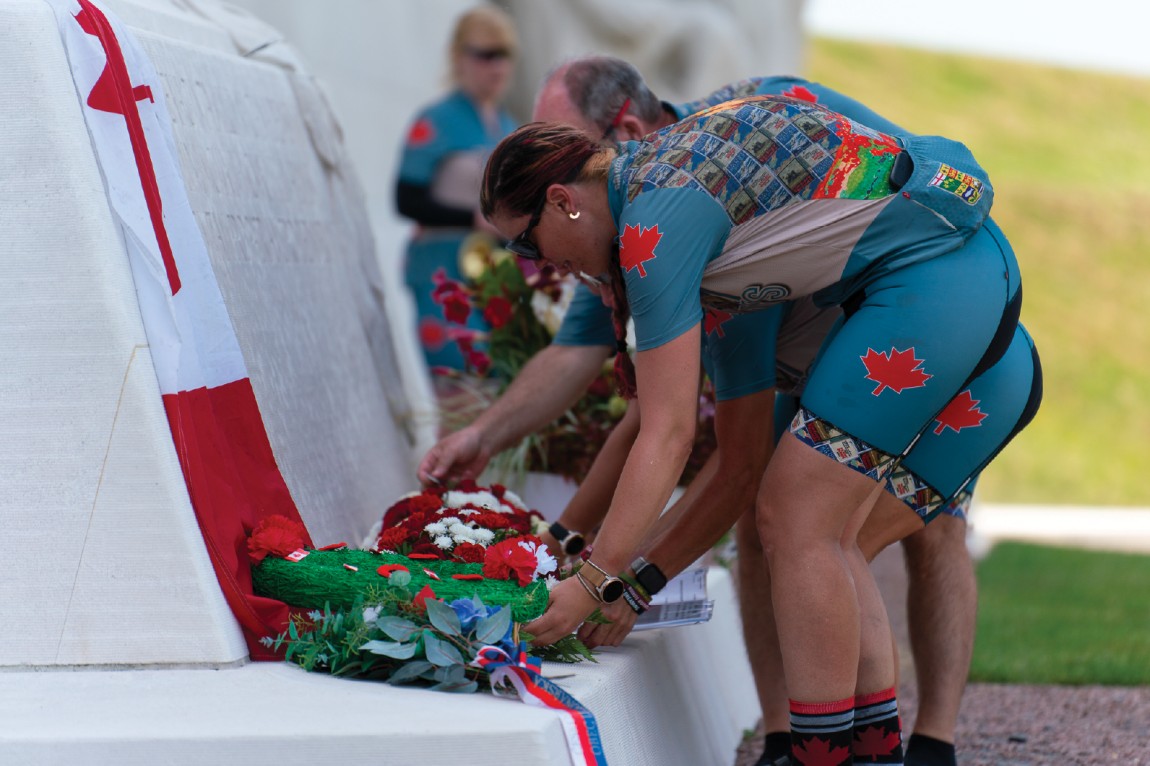
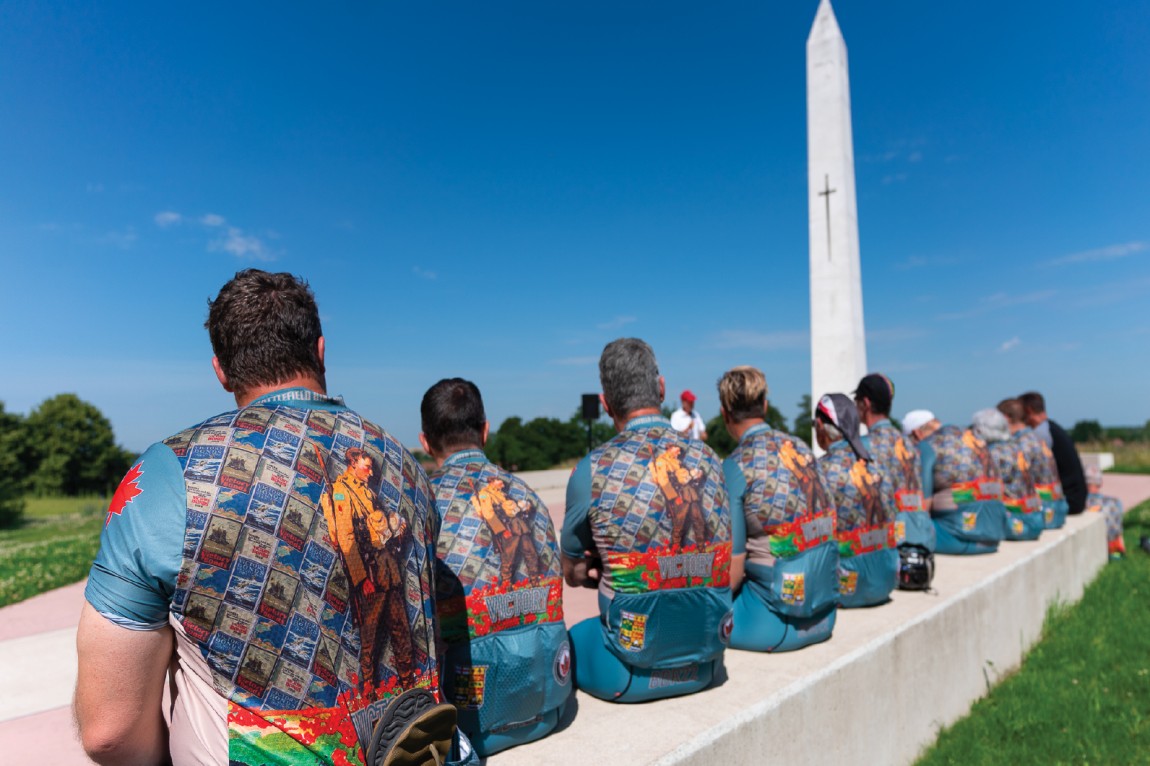
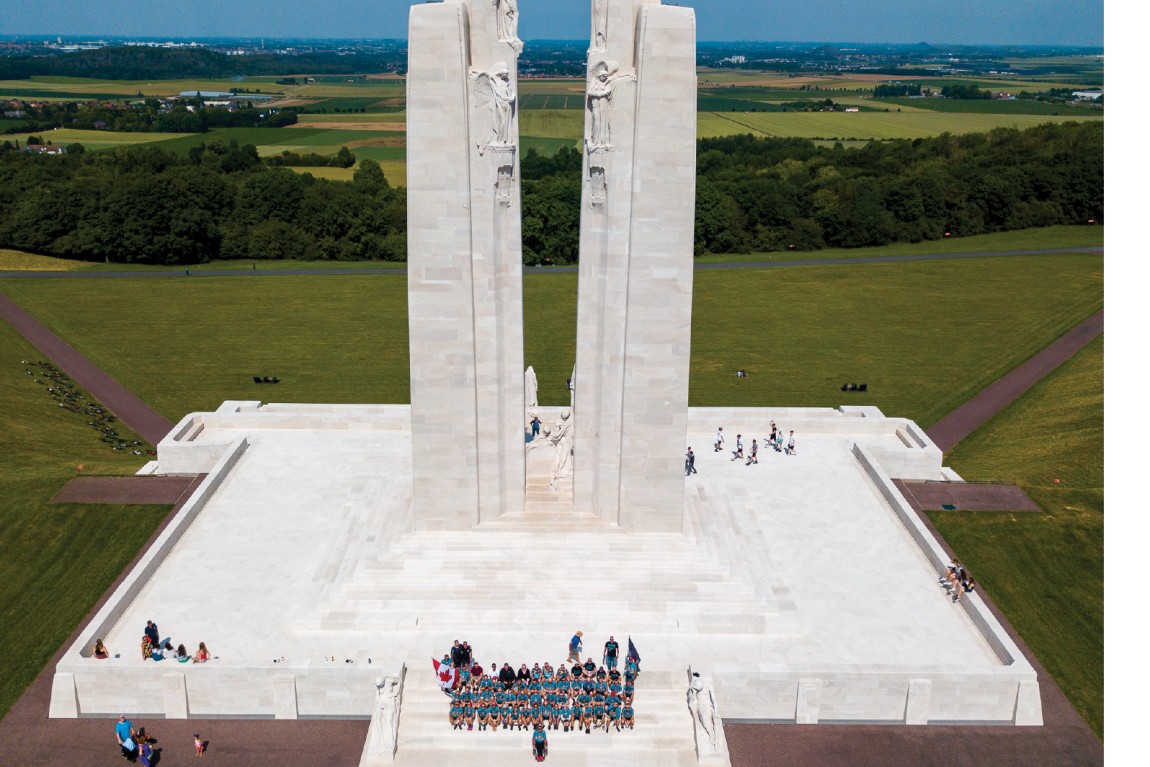
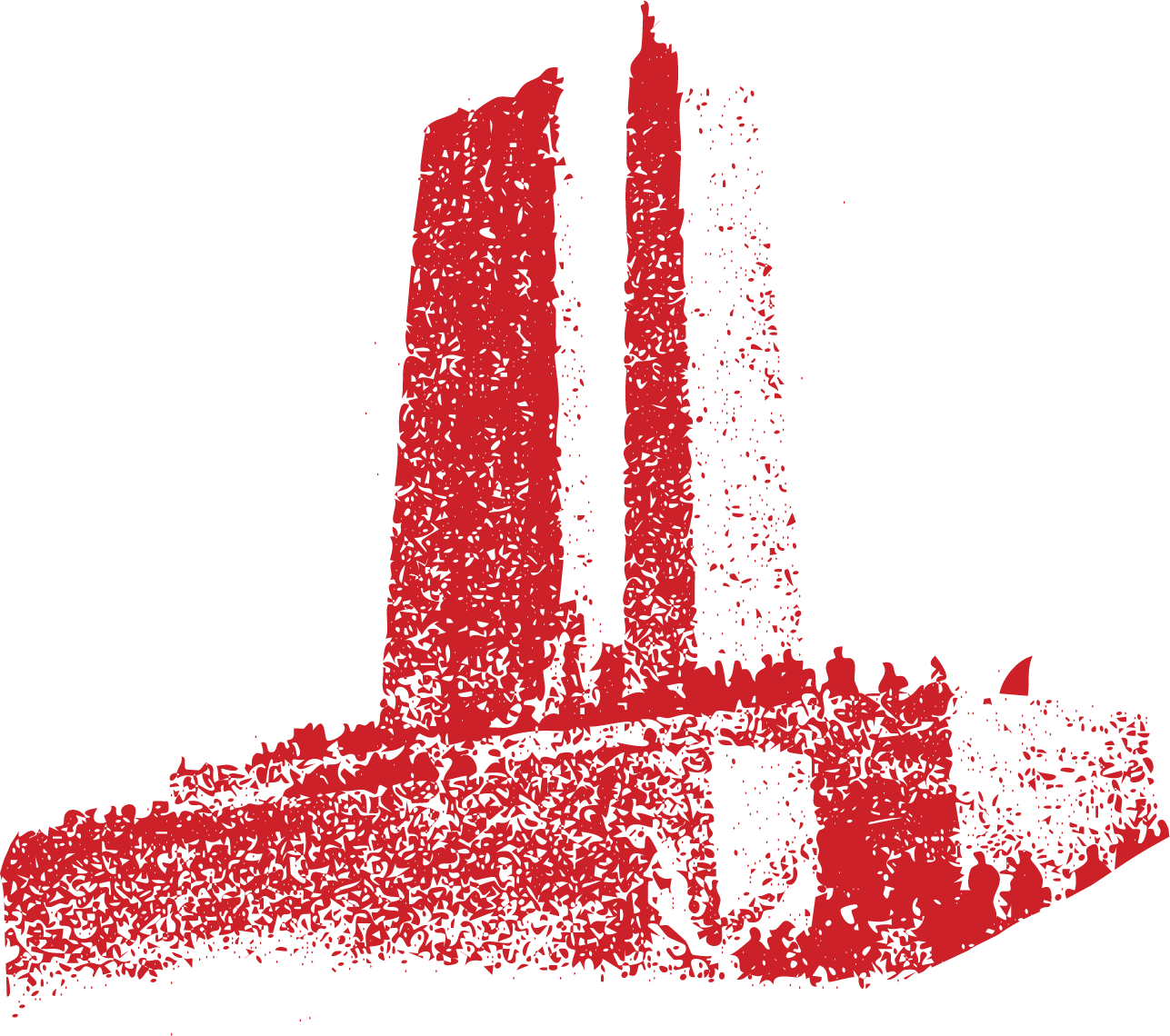
The day the week is built around. A short ride leaves most of the day for the ridge itself: the tunnels, the preserved trenches, and a memorial service beneath the names of 11,285 Canadians who have no known grave. 110 years on, we remember them where they fell. After an extended visit at Vimy, we move to the original burial place of Canada’s Unknown Soldier.
Day 4: 1 July 1916
Day one of the Battle of the Somme
Suffering 60,000 casualties, 1 July 1916 marks the bloodiest day in British History. At Thiepval, more than 72,000 names of the missing. A brief stop at the Ulster Memorial, then on to Beaumont-Hamel, where the Newfoundland Regiment went forward that morning, and only 68 of the 800 who began the battle answered roll call the next day.
Day 5: Canada to the Forefront, 1917
Arras to Lille
We leave Arras and ride north past Vimy to Hill 70. Canadian Commander LGen Sir Arthur Currie said it was the hardest battle the Corps participated in; six Canadians were awarded the Victoria Cross for their actions during the battle. On to Fromelles, Pheasant Wood Military Cemetery as the road flattens across old mining country towards Flanders.
Day 6: Into the Salient
Lille to Ypres
Across the border into Belgium and the fields around Ypres. We stop at Passchendaele and at the Brooding Soldier at St Julien, and ride past Essex Farm, where John McCrae wrote In Flanders Fields. The ride ends that evening under the Menin Gate, at the Last Post.
“The year 1917 has been a glorious year for the Canadian Corps … Vimy, Arleux, Fresnoy, Avion, Hill 70 and Passchendaele all signify hard-fought battles and notable victories … The only regret one has, and it is a very sincere one, is that one has lost so many gallant comrades, men whom a young country like Canada, or in fact any country, could ill afford to lose.”
Lieutenant-General Sir Arthur Currie,
Canadian Corps Commander, 14 November 1917
The History
The Somme
July 1916
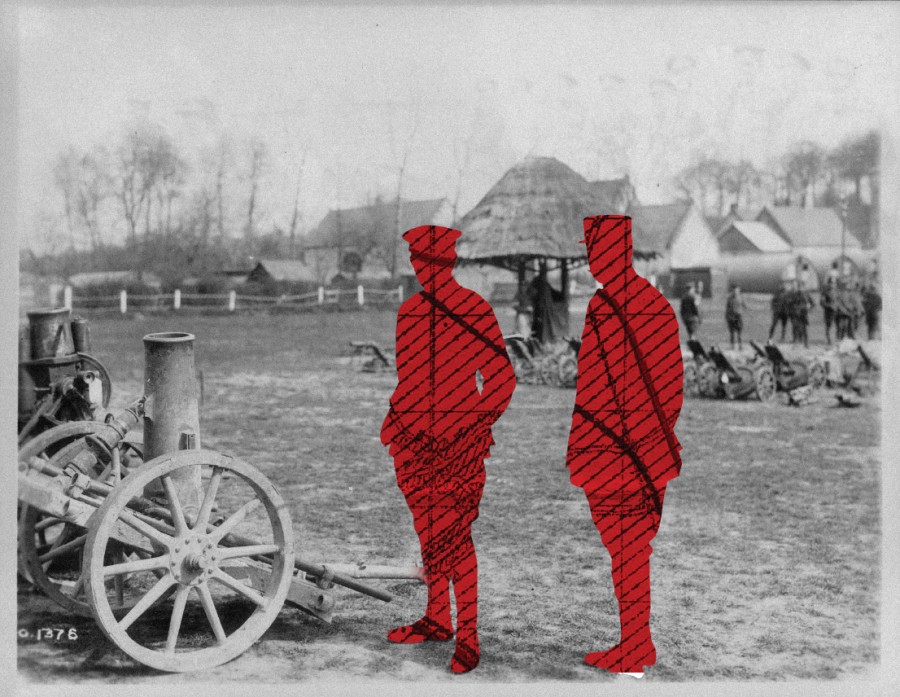
The Battle of the Somme opened on 1 July 1916 and became Britain’s costliest single day: nearly 60,000 casualties before nightfall. Riders will cross this ground, where four Canadian divisions first fought the same battle together, and where the offensive ground on for four and a half months with catastrophic losses on both sides. It set the stage for Thiepval, Courcelette, and the ridge fighting that followed.
Beaumont-Hamel
1 July 1916
At Beaumont-Hamel, the Newfoundland Regiment attacked German lines on the Somme’s opening morning. Of roughly 800 men, only 68 answered roll call the next day. Today, 814 names with no known grave are inscribed at the memorial, watched over by a bronze caribou. Riders will pass through this preserved battlefield, one of the few left untouched on the Western Front.
Vimy Ridge
April 1917
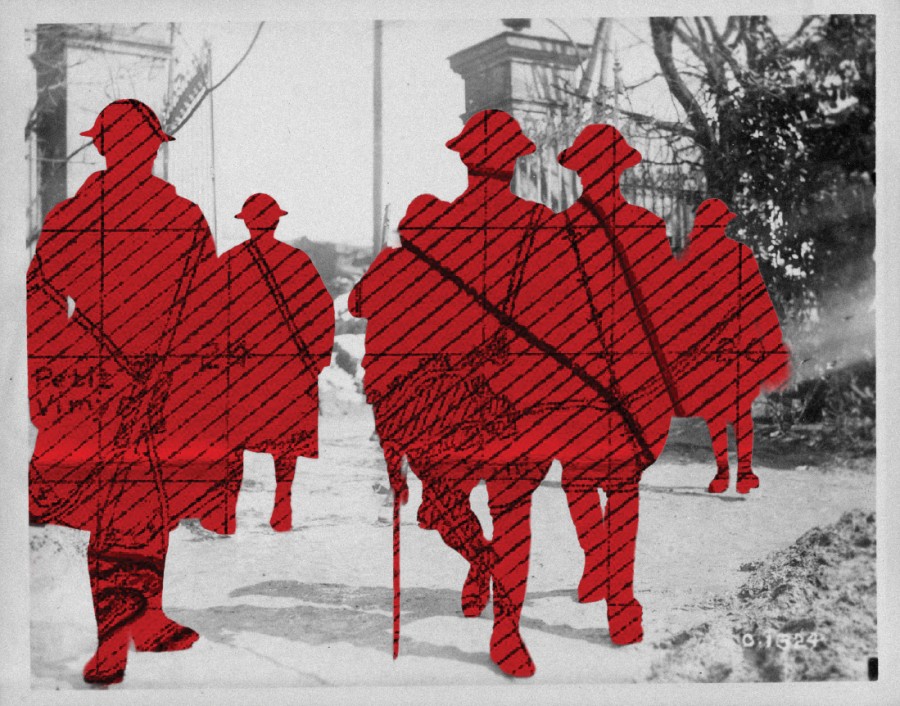
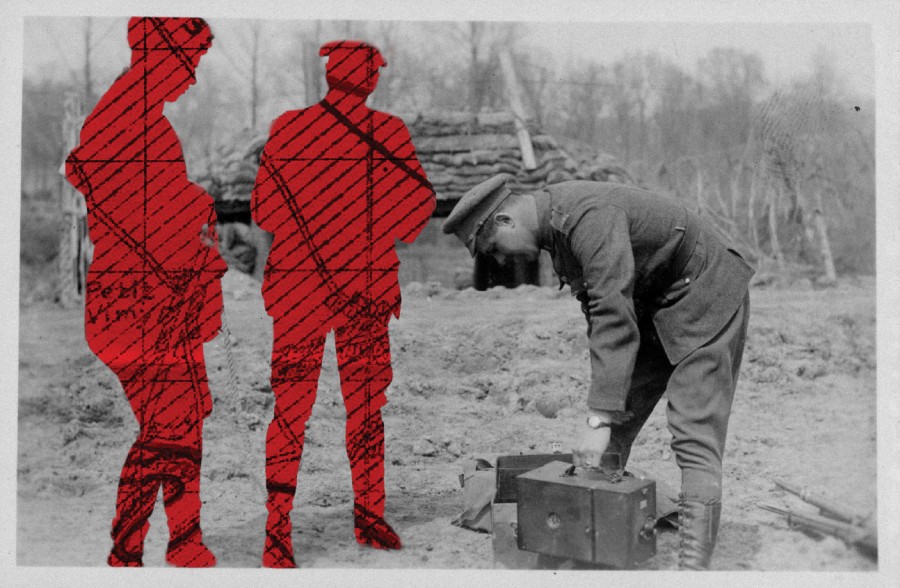
In April 1917, all four Canadian divisions attacked together for the first time, seizing a heavily fortified ridge that two previous French assaults had failed to take. Weeks of rehearsal, tunnelling, and precise artillery planning carried the day. Riders will climb the same ground that became, in the words of the Museum, a defining moment for a young Dominion finding its place among nations.
Why we ride
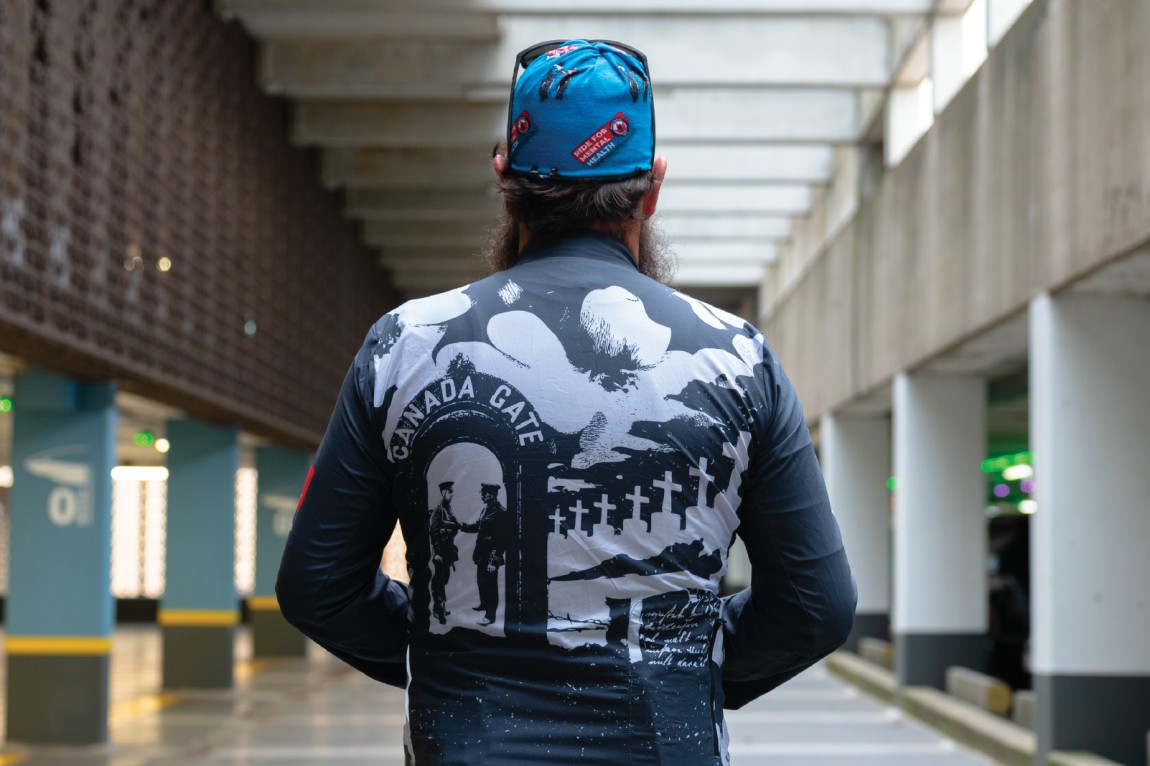
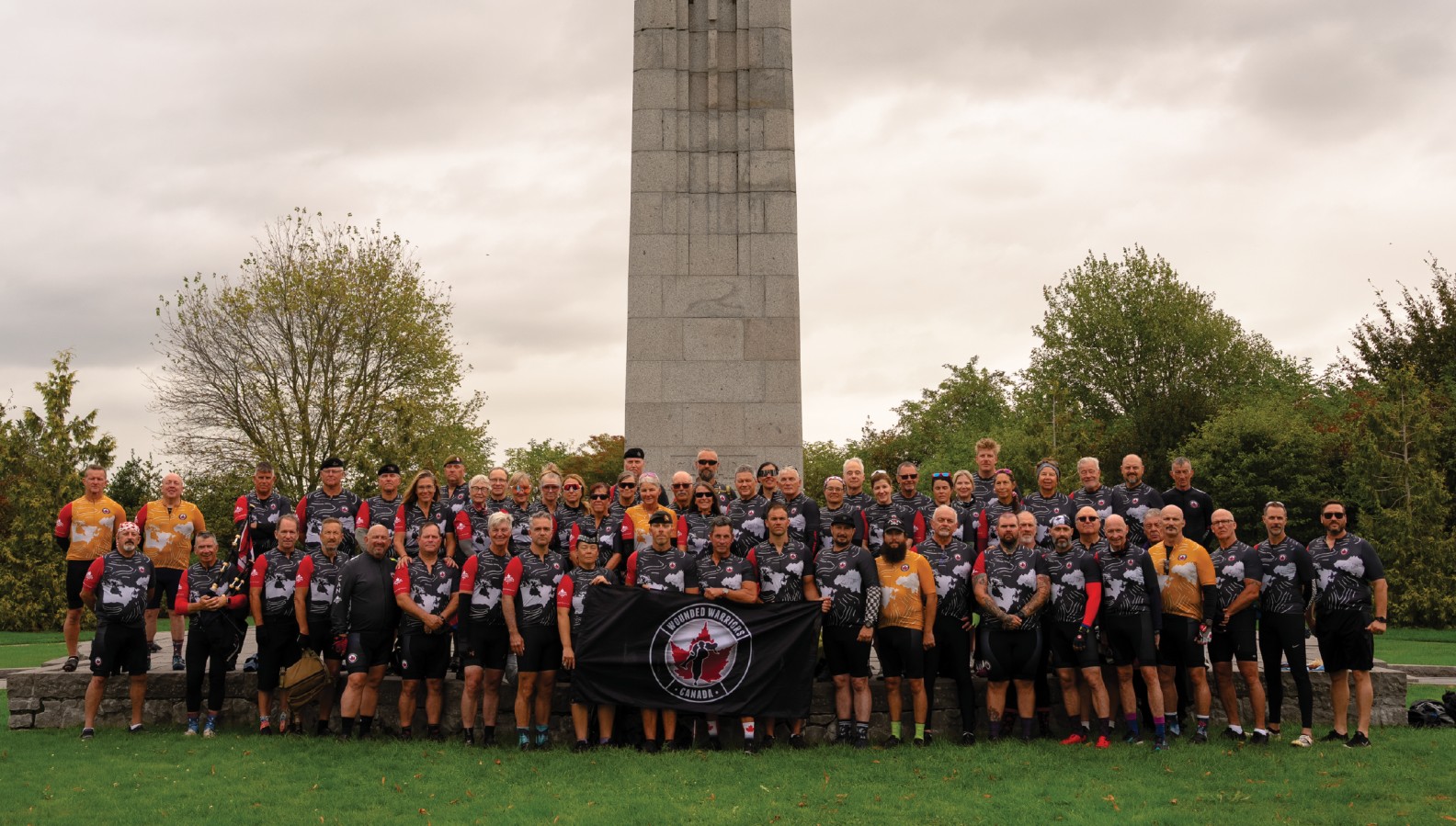
Many of us know someone who served and came home carrying more than anyone could see. Some of us are that person. BBR27 is a chance to honour those who served more than a century ago, and to stand with the Veterans, First Responders and families who serve today.
Ride for a friend, a parent, your crew, or yourself.
Join us on BBR27: Vimy 110, as we Honour the Fallen, Help the Living.
Frequently Asked Questions
Registration
Is there a fee to register for BBR27: Vimy 110?
Yes. The rider registration fee is $500. It does not count toward your fundraising minimum.
I'm a Team Captain. How do I register my team?
Register for BBR27: Vimy 110 and choose to create a team during sign-up. Once your team is set up, invite your teammates to join from your team page.
How fit do I need to be? Is the ride open to all levels?
You don't need to be a racer, but you do need to train. You should be able to ride 70 km in a day and do it again the next day, in a group on public roads. Daily distances are 37 to 70 km at a steady 16 km/h. Before you register, you should be comfortable riding at least 40 km in one go.
Can I bring my own bike, or rent one?
Both. Rental bikes are fitted to you when you arrive in Amiens. They come with a water bottle cage, but no panniers or bags, so bring a small saddle or handlebar bag. If you bring your own bike, the welcome package explains how bike boxes are checked in, stored and moved to Ypres.
Is there a minimum age?
Riders must be 16 or older on the first day of the ride. Unless accompanied by a parent.
Do I need travel insurance?
Yes. Travel medical insurance that covers cycling is required, and trip cancellation insurance is strongly recommended.
Fundraising
Is there a minimum fundraising amount to participate?
Yes. The minimum is $5,000, not including the registration fee, and it must be raised by 31 July 2027.
What happens if I don't reach the $5,000 minimum by 31 July 2027?
Every rider needs to reach the $5,000 minimum by 31 July 2027 to join us on BBR27. If you’re worried you might fall short, talk to events@woundedwarriors.ca early. A conversation in March gives us far more room to help than one in July.
Can I self-sponsor?
Yes. You can donate to your own fundraising page and it counts toward your $5,000 minimum. Under CRA net benefit rules, tax receipts are issued only for the portion of personal donations above $2,500, the estimated value of the accommodation, meals and other benefits riders receive. Self-sponsored receipts are reconciled after the ride and emailed on or before 31 October 2027. Questions? Contact Laurie Sweet, Director of Finance & Administration, at laurie@woundedwarriors.ca.
Can riders combine their funds so that, as a group, they average $5,000 per rider?
Yes, and we encourage teams to fundraise together. The team total needs to average at least $5,000 per rider by 31 July 2027. For example, a team of four needs to raise $20,000 between them.
How do I collect donations?
Through your personal or team fundraising page. Share the link by email, text and social media, and supporters can donate by credit card in a couple of minutes. Tip: add a photo and a few lines on why you're riding. Pages with a personal story tend to raise more.
How do I add cash or cheque donations?
You can enter offline donations through your fundraising portal to enter cash donation as well as cheques, with each donor's name and email so they get their own tax receipt. Cheques are payable to Wounded Warriors Canada, with your name and “BBR27” on the memo line, and can be mailed to Wounded Warriors Canada, 1160-1090 West Georgia St., Vancouver, BC, V6E 3V7. Please allow 2 weeks for cheques to appear on your page.
Can my employer match donations?
Many employers match staff donations to registered charities, so it's worth asking your HR team. If they do, ask them to include your name and “BBR27” so it counts toward your total. Wounded Warriors Canada's charitable registration number is 82808-2727-RR0001.
How can I see my team's total and each member's progress?
Your team page shows the team total and each member's total. If a donation shows as anonymous or isn't credited to the right rider, email events@woundedwarriors.ca and we'll fix it.
How are tax receipts issued?
By email at the time of donation, for online gifts of $20 or more. Ask donors to check their junk folder if a receipt doesn't arrive. Self-sponsored donations are handled differently (see “Can I self-sponsor?”).
Are there resources to help us fundraise?
Yes. The BBR27 Fundraising Toolkit includes ideas that have worked for past riders, such as Legion bingo nights, auctions of donated items. It also has sample emails and posts, a pitch for Legion branches and workplaces and printable posters.
Where does the money go?
Funds support Wounded Warriors Canada's mental health programs for Veterans, First Responders and their families.
Before you go
What is Vimy 110?
BBR27 marks 110 years since the Battle of Vimy Ridge in April 1917. The route follows the Canadian Corps from Amiens and the Somme to Vimy, Hill 70 and Passchendaele, finishing at the Menin Gate in Ypres.
When will I get the ride guide and itinerary?
The ride guide will be ready beginning of January. It covers each day's route, every stop and what we'll do there, a short history primer on where these battles fit in the war, a packing list, and what to expect in your ride group.
Will I meet other riders before we go?
Yes. There will be 2 online rider meetings before the ride, including one just for first-time riders. These will be recorded and available for viewing should you miss a meeting.
How should I prepare for the history we'll see?
Read the history primer in your welcome package. It explains the battles, the ground and the Canadians who fought there, so each stop means more when you arrive.
Is WWC booking my flight?
No. Riders book their own flights and arrange their own transport from their arrival airport to the start hotel in Amiens, and from Ypres to their departure airport at the end.
Where should I fly into?
Fly into Paris–Charles de Gaulle (CDG), since the ride starts in Amiens, and fly home from Brussels Airport, the closest major international airport to the finish in Ypres. Please plan to arrive in Amiens on Sunday 5 September 2027.
How do I get to Amiens?
The welcome package gives step-by-step travel options, such as train routes from Paris–Charles de Gaulle to Amiens and from Ypres to Brussels, plus hotel suggestions if you arrive early or stay late.
Do I need my passport during the ride?
Yes. Day 6 crosses from France into Belgium, so carry your passport or ID on the bike that day.
What's provided, and what should I pack?
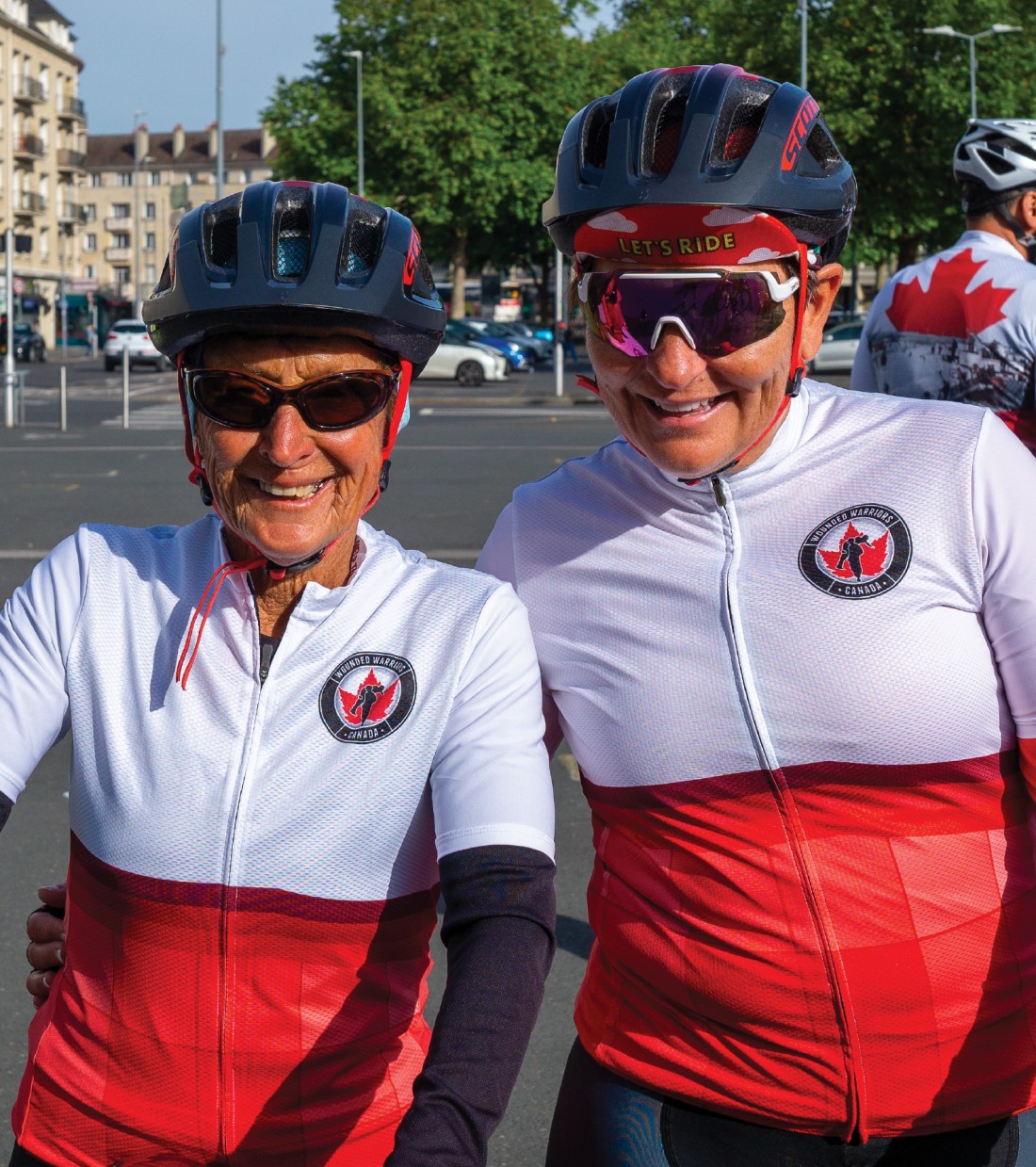
We provide your team jersey and bib shorts, which you'll wear on the ride. Bring a helmet (required), a small saddle or handlebar bag, a rain jacket, padded shorts for the other days, and your own preferred snacks and electrolytes. The full packing list is in the welcome package.
Can my spouse or family come along?
Guests who aren't registered can't stay in the tour accommodation, but we provide a list of nearby hotels. We try to accommodate this request but beds are reserved for riders first.
Ride week
Do I have to book my own accommodation?
No. Discover Adventure (our tour provider) books your rooms on a twin-share basis for seven nights, Sunday 5 to Saturday 11 September 2027: one in Amiens, four in Arras, one in Loos (Lille) and one in Ypres. The cost is included in your fundraising minimum.
What is included in my ride package?
Hotel stays from 5 to 12 September 2027 (checkout 12 September), breakfast daily, lunch on riding days, post-ride nutrition, guided pace groups with a lead guide and sweep, luggage transfers between hotels, mechanical support for rental and owned bikes, vehicle support for any rider who needs a lift, a memorial service at the Canadian National Vimy Memorial, a team jersey and bib shorts, and the closing gala dinner.
What is a normal day like?
Breakfast from 7:00, a short briefing on what we'll see that day, bikes out at 8:15 and roll out at 8:30 (8:00 on Day 1). You'll have historical stops, a lunch stop and rest stops, and you'll be back at the hotel between about 14:50 and 16:10. Afternoons and evenings are free to explore, and dinner is on your own except for the team dinner.
How are ride groups organized?
Riders are placed in 4-5 pace groups by ability before the ride. Each group has a trained lead guide and a sweep, both with GPS and radios to keep the group together. The fastest group leaves first, so no group is caught up waiting. If you'd like to move to a different group, just ask.
Will I know where we're stopping and when lunch is?
Yes. Every morning briefing covers the route, stop names and timings, the lunch location, rest stops and the weather plan. Your group leader carries the same information and keeps you posted on the road.
What will lunch be like?
A professional caterer serves lunch at a set time each riding day, no later than 13:00. The menu changes every day, there's a hot option and hot drinks in bad weather, cold drinks on warm days, and plenty for every group. Tell us about dietary needs at registration.
Will there be washroom stops?
Yes. Rest and lunch stops are planned at places with washrooms wherever possible, and there are comfort breaks about every 20 km. Group leaders will always tell you where the next washroom is.
Will we have enough time at each site?
Yes. The schedule is built so no site is skipped, rest stops are kept short, and historical talks are kept brief so you have time to look around. Day 3 has four hours at Vimy Ridge.
Will we ever ride in a bus or coach?
No. Every kilometre is ridden, and there are no coach transfers. Support vehicles follow the ride and can carry any rider who needs a lift on the day.
Do I pack up my bags every morning?
No. There are only three bag moves all week. You stay four nights in Arras, so Days 2, 3 and 4 are light-bag days, and the support truck moves your luggage between hotels.
What are the group riding rules?
Day 1 starts with a short group-riding briefing on hand signals, riding in a pace line and the road rules in France and Belgium. On the road, ride in pairs, stay with your group, follow your leader's signals and keep your phone away while riding.
Will there be a map that shows the BBR27 route?
Yes. You'll get a day-by-day map and a GPS route download for each day, so you can always follow the route. Routes can change for weather or road conditions, and your group leader will share any changes at the morning briefing.
What if I get a flat or mechanical problem?
Support vans carry spare tubes, pumps and repair kits, a mechanic travels with the ride, and every group leader carries a basic repair kit.
I'm coming on my own. Will I fit in?
Yes. About half of riders are new each year. You'll have a returning-rider buddy before you arrive, a name tag for the week, and a welcome social in Amiens where everyone introduces themselves, so no one rides or eats alone.
After the ride
When is the closing gala dinner?
Date to be confirmed. It will be on a shorter riding day, so there's time to rest and get together beforehand. The program is kept short, with more time to celebrate together.
What happens at the end of the tour?
Day 6 (Saturday 11 September 2027) ends in Ypres with the Last Post and closing ceremony at the Menin Gate, 100 m from the hotel. Rental bikes are returned and riders' own bikes are packed for transport that evening or the next morning. On Sunday 12 September, riders make their own way to the train station or airport.
Still have a question?
Contact Steve Topham at events@woundedwarriors.ca for registration and fundraising. Wounded Warriors Canada is a registered charity (CRA# 82808-2727-RR0001).
About BBR
The Battlefield Bike Ride is an event designed through the lens of Wounded Warriors Canada’s guiding ethos:
Honour the Fallen and Help the Living.
To date, over 825 cyclists have participated in the events, collectively raising over $3.5M in support of Wounded Warriors Canada’s mental health programs benefiting Trauma Exposed Professionals and their families across Canada. Participants are comprised of serving and retired members of the Canadian Armed Forces, Veterans, Active and Retired members of our First Responder community and civilians from coast-to-coast.
